Color by Number:Coloring Games
- 4.6
- Rating
- 100.00M
- Installs
- Free
- Price
 Analysis by App-foxy
I approached Color by Number: Coloring Games expecting a simple way to fill a few minutes, but I found a more deliberate board-game-style coloring experience built around matching numbered areas with the right colors. It is free to start, aimed at Everyone, and made by Wildlife Studios. The basic idea is immediately understandable: choose an image, select a color, and complete the marked spaces until the picture comes together.
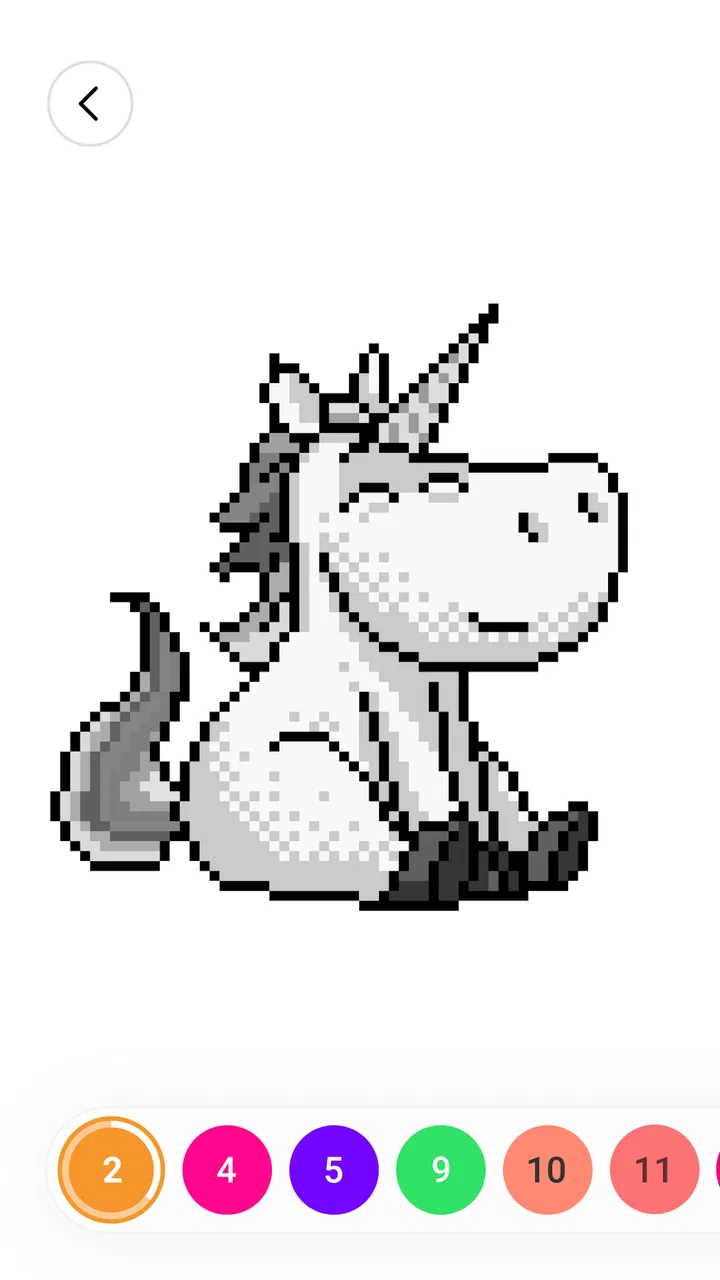
That simplicity is the main reason it works. I do not need to learn a complicated rule set, manage a character, or compete against a timer before I can begin. The game sits somewhere between a digital coloring book and a light puzzle, with pixel-art imagery and a three-dimensional sandbox presentation adding more visual variety than a plain coloring page. It is best understood as a calm, focused activity rather than a traditional board game with opponents and turns.
How the coloring loop feels in everyday use
My usual test for this kind of game is whether it fits naturally into a short break. This one does. If I have a few minutes while waiting for an appointment or winding down before bed, I can open a picture, work on a group of numbered sections, and stop without needing to remember a complicated sequence. The color-by-number format gives the session just enough structure to prevent the blank-page feeling that can make ordinary drawing apps intimidating.
You May Also Like

 AccuWeather: Weather Radar
AccuWeather Review: A Quick, Clear Forecast for Everyday Decisions
For everyday plans, the best forecast is the one you can understand quickly. AccuWeather makes rain timing, radar, and local conditions easy to act on, with a few trade-offs.

 Hill Climb Racing
Why Hill Climb Racing Still Turns Crashes Into One More Run
A tiny car, a bumpy hill and one more upgrade: Hill Climb Racing keeps resurfacing because its simple chaos makes every near-miss feel personal.

 AliExpress - Shopping App
AliExpress Makes Global Shopping Feel Personal, but Shoppers Bear the Risk
AliExpress turns a global marketplace into a pocket-sized discovery engine. Its reach is useful, its shopping loop compelling, and its trade-offs easy to miss.

 Lords Mobile: Kingdom Wars
Lords Mobile Is a Kingdom-Building Routine, Not a Quick Match
A case-by-case verdict on the building, battles, device demands, and social commitments that make Lords Mobile rewarding for some players and exhausting for others.

 PDF Scanner app - TapScanner
TapScanner Makes Paperwork Easier to Capture, Check, and Share
TapScanner makes scanning with a phone feel less like a rescue operation and more like a dependable step in getting work done. Its capture tools are useful, though not flawless.

 Block Blast!
 Shows How Much a Puzzle Game Can Leave Out
A quiet grid game shows why puzzle players increasingly value instant clarity, repeatable skill and low-pressure play—and where the genre still needs to catch up.
More From Our News Desk
View All News


The numbered areas also create a useful rhythm. I tend to begin with the colors that appear in larger sections, because they make visible progress quickly. After that, I zoom my attention toward the smaller spaces and more detailed parts of the image. That approach is more satisfying than tapping randomly, since each completed color group changes the picture in a noticeable way.
One practical habit makes a difference: I avoid trying to finish an image in one sitting. Smaller sections can demand patience, especially when several tiny areas are close together. Treating the artwork as a sequence of short sessions keeps the experience relaxing. It also makes the game a reasonable choice for someone who wants a low-pressure activity rather than another app that constantly asks for attention.
The pixel-art style gives the coloring process a slightly different character from realistic digital painting. The appeal is less about producing an original sketch and more about watching a structured image resolve itself. That distinction matters. If you want a blank canvas, brush control, and complete freedom over composition, this will feel restrictive. If you like guided completion and clear visual targets, the restrictions are part of the attraction.
Useful habits for less frustrating sessions
I found it helpful to work from broad areas toward fine details, but there is another small trade-off: completing the easy sections first can leave the most fiddly work for the end. When I want a quicker sense of completion, I mix a few small areas into each session instead of saving every tiny section for later. This keeps the final stage from becoming a slow hunt through the image.
It is also worth treating the interface as a precision task rather than a speed task. On a phone, a small numbered space can be easier to handle after enlarging the artwork and concentrating on one region at a time. Rushing creates unnecessary taps and makes the calm premise less convincing. The game rewards attention more than reflexes, so a slower approach is usually the better one.
For children, the straightforward matching system is approachable, and the Everyone rating makes the game suitable for a broad audience. I would still use normal family judgment around device time and purchases. For adults, the same design can work as a brief mental reset, particularly for people who enjoy repetitive, orderly tasks and do not need a competitive goal to stay engaged.
Where progress feels comfortable and where it may not
The strongest form of progress here is visual rather than mechanical. I feel that I am moving forward because an unfinished picture becomes more complete, not because I am building a complex profile or mastering a deep strategy system. That makes the game easy to pick up, but it also means the long-term motivation depends heavily on whether I enjoy collecting and finishing coloring scenes.
Players who need constant novelty may find the loop too narrow. The act of selecting the correct color and filling matching spaces is intentionally repetitive. That repetition can be soothing during a short break, yet it may become predictable if I expect new rules or increasingly demanding puzzles. I would not choose it as my main game if my priority were action, competition, narrative, or tactical depth.
The store summary presents it as a pixel-art painting game book with a 3D sandbox drawing angle. In practice, I would focus on the coloring-book side first. The core satisfaction comes from completing marked regions, while the broader presentation helps the experience feel more like a collection of digital scenes than a single static page. Anyone downloading it mainly for freeform 3D creation should keep expectations measured.
Spending, access, and the pressure question
The game is free to download, which makes trying the central coloring loop straightforward. It also includes in-app purchases ranging from $7.99 to $99.99 per item. That is the part I would pay closest attention to before committing time. The existence of those purchase tiers tells me that the free starting point and the full spending experience should be considered separately.
I do not treat a free download as proof that every part of the experience is equally available without payment. At the same time, I would not claim that the game is unfair or aggressively pressuring players without a clearly documented basis. The sensible approach is to begin without spending, see how naturally the available artwork supports your routine, and decide whether the optional purchase path offers enough value for your own use.
For a parent, the purchase range is a reason to review device-level purchase controls before handing the phone to a child. For an adult, the practical question is whether the app remains enjoyable as a short coloring tool without turning every session into a shopping decision. I prefer games in this category when the creative activity remains the focus, so I would stop using it if purchase prompts began to distract from coloring.
There is another fairness point worth separating from monetization: this is not presented as a competitive multiplayer contest. I am not comparing my coloring speed with another player’s score or judging whether someone has purchased an advantage over me. That removes one common source of frustration. Spending may affect access to content or convenience, but it does not create the same competitive imbalance found in games where paid items directly influence matches.
Why competitive fairness is less central here
Because the experience is fundamentally personal, the usual pay-to-win question has limited relevance. I am completing images for my own satisfaction, not trying to defeat an opponent. That makes the game a better fit for someone who wants a private, low-stakes activity and a weaker fit for someone who expects leaderboards, head-to-head challenges, or a strong sense of public achievement.
Still, personal fairness matters. A coloring game can feel unbalanced if the most appealing artwork is difficult to access without spending, or if the free portion feels more like a sample than a complete routine. I would judge that over time by asking whether I can return regularly, finish pictures I enjoy, and make progress without feeling forced toward a purchase. The safest recommendation is therefore conditional: try the free experience first rather than assuming the entire catalog will suit you.
This is also where it differs from traditional board games. A physical coloring book has a clear one-time ownership model, while a free mobile game can combine accessible entry with optional purchases. A standard drawing app offers more control but usually demands more effort from the user. This title sits between those choices: more guided than drawing from scratch, more interactive than paper, and potentially less predictable in how its broader content is accessed.
Device fit, longevity, and expectations
The current version is 4.23.0 and requires Android 6.0 or later. That makes compatibility worth checking on older devices before installation, especially if the phone has been kept for many years. On a supported device, the main concern is not learning the controls; it is whether the screen is comfortable for detailed tapping and whether the visual presentation feels pleasant during longer sessions.
The game has built a substantial audience, with over 50 million installs, a 4.7 average from around 349 thousand ratings, and roughly 14 thousand written reviews. Those figures suggest that the basic concept has broad appeal, but they do not replace personal testing. A high average can tell me that many people enjoy the format; it cannot tell me whether I will prefer guided coloring to free drawing or whether the available content matches my taste.
Its release date of January 4, 2018 also places it in the category of an established mobile title rather than a brand-new experiment. That is useful when I want a familiar, polished type of casual game, but it also means I would not download it expecting a radical new approach to coloring. The value is in how comfortably the idea works on a phone, not in reinventing the activity.
Who should choose it, and who should skip it
I would recommend it to someone who likes color-by-number books, pixel art, quiet completion tasks, or short sessions that can be paused easily. It is especially suitable for people who want a clear starting point instead of facing an empty digital canvas. The Everyone rating also makes it approachable for families, provided adults handle purchase settings responsibly.
I would steer away from it if you want advanced illustration tools, unrestricted brushwork, competitive multiplayer, or a game with a strong story and evolving strategy. It is also not my first choice for someone who becomes bored with repetitive tapping. The guided format is exactly what makes it accessible, but that same structure limits artistic freedom and may reduce replay value for experienced creators.
Compared with a physical coloring book, it is more convenient when I want to carry the activity on a phone and avoid storing supplies. Compared with a professional drawing app, it is much easier to start but far less expressive. Compared with a conventional board game, it has almost none of the social negotiation or tactical interaction that makes board gaming compelling. Choosing it depends on wanting a focused coloring pastime, not simply wanting any game labeled as a board title.
My trust verdict after weighing the trade-offs
My overall view is positive but specific. The game succeeds as a guided, low-pressure coloring activity with a clear color-matching loop, approachable presentation, and enough visual structure to make short sessions feel worthwhile. I like that I can use it without preparing a project or learning a rulebook. The best moments come when I finish a complicated-looking image one small group of spaces at a time.
The main caution is spending. It is free, but the in-app purchase range reaches from $7.99 to $99.99 per item, so I would not recommend entering payment details casually. Start with the no-cost experience, decide whether the routine genuinely fits your day, and use purchase protections if children share the device. That approach respects both the relaxing purpose of the game and the real cost difference between trying it and investing in it.
Wildlife Studios has made something easy to understand and broadly approachable, but the title is not a substitute for a full drawing tool or a social board-game night. For me, it works best as a quiet pocket activity: open it when I want a little focus, complete a manageable portion, and close it before the repetition becomes tiring. If that is the kind of small creative break you want, this is a sensible free starting point; if you need freedom, competition, or deep progression, choose another category instead.
FAQs for Color by Number:Coloring Games
01What is Color by Number: Coloring Games, and how does it work?
Color by Number: Coloring Games is a digital coloring book app that lets users fill in images using a numbered color system. Each image is divided into sections, each marked with a number that corresponds to a specific color. Users simply select a color from the palette and tap the sections to fill them in, creating vibrant artwork without needing advanced artistic skills.
02Is Color by Number: Coloring Games suitable for all ages?
Yes, Color by Number: Coloring Games is designed to be user-friendly and suitable for all ages. The app offers a wide range of images from simple to complex, making it ideal for children, teens, and adults. Parents can enjoy coloring with their kids, and adults can use it as a relaxing activity to unwind.
03Are there any in-app purchases in Color by Number: Coloring Games?
Color by Number: Coloring Games is free to download, but it does offer in-app purchases. These purchases can unlock additional coloring pages, remove ads, or provide access to premium features. While the basic version is enjoyable, some users may opt for these purchases to enhance their experience and gain access to exclusive content.
04Can I use Color by Number: Coloring Games offline?
Yes, Color by Number: Coloring Games can be used offline, making it a great option for entertainment on the go. Once the app and your chosen images are downloaded, you can color anytime without needing an internet connection. However, some features, such as downloading new images, will require connectivity.
05How often are new images added to Color by Number: Coloring Games?
New images are regularly added to Color by Number: Coloring Games, keeping the content fresh and engaging. Updates often include seasonal themes and popular trends, ensuring a diverse selection for users. These updates provide added value for users who enjoy exploring new artwork and styles within the app.
Pros
- Wide variety of coloring pages.
- User-friendly interface.
- Regular updates with new images.
- Offline mode available.
- Relaxing and stress-relieving.
Cons
- Ads can be intrusive.
- Limited free content.
- In-app purchases can be costly.
- No custom image upload feature.
- Performance issues on older devices.

Color by Number:Coloring Games
Gallery